What Is A Video Professional?
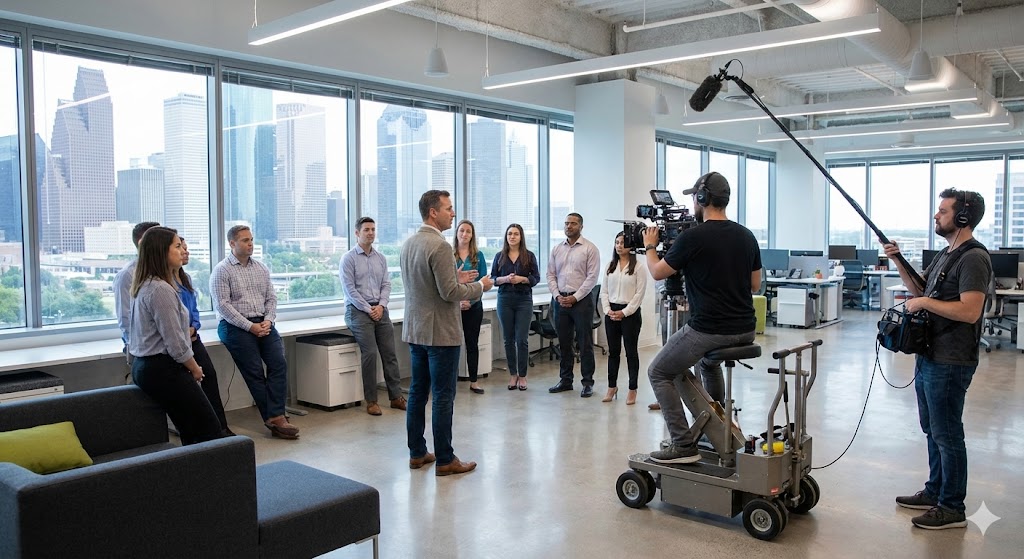
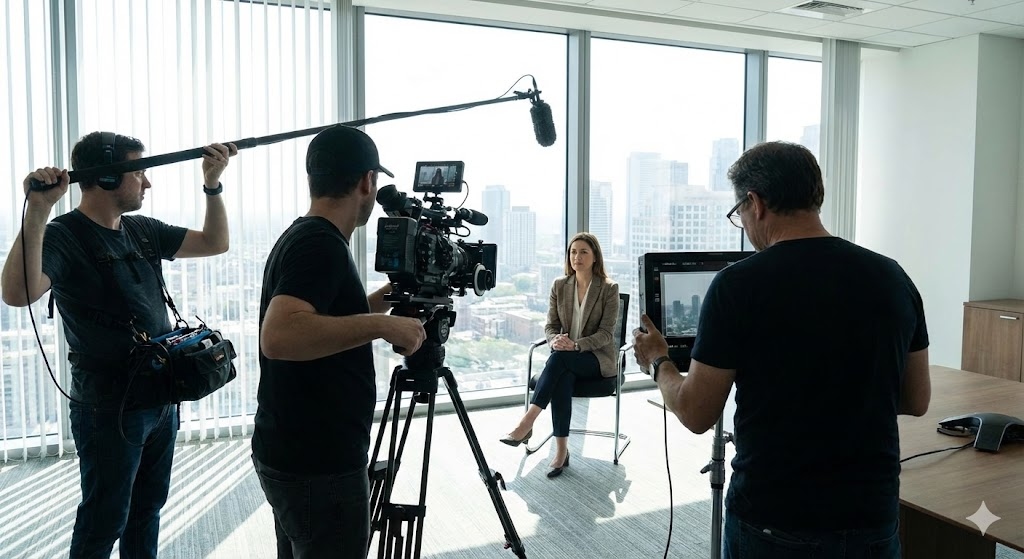
Video has transformed the way we communicate, share stories, and connect with audiences. But have you ever wondered who makes those videos look effortless, compelling, and professional? That’s the work of a video professional. These skilled individuals take ideas, concepts, and raw footage and turn them into a polished, engaging visual experience. Whether it’s a corporate promotional video, social media campaign, or cinematic production, video professionals combine creativity, technical know-how, and storytelling skills to make it happen.
In Shadow Oaks, businesses and individuals rely on professionals like Nightwolf Productions to produce content that not only looks good but also drives results. Let’s break down what a video professional is, what they do, and why they’re essential in today’s media-driven world.
Understanding the Role of a Video Professional
A video professional wears many hats. They are not just camera operators or editors; they are storytellers who use visual media to communicate messages effectively. Their work involves multiple stages of production, including pre-production planning, filming, and post-production editing. They create videos that are visually appealing, emotionally engaging, and strategically aligned with the goals of a brand or project.
Definition and Scope
A video professional can be anyone involved in the creation of video content. This includes:
- Videographers who film events, interviews, or corporate videos.
- Editors who assemble and refine footage.
- Cinematographers who focus on visual storytelling through camera work and lighting.
- Motion designers who create animations and visual effects.
- Colorists who enhance mood and tone through color grading.
The scope of a video professional’s work goes beyond just capturing footage, they shape narratives, influence viewer engagement, and ensure the video serves its intended purpose.
Key Skills and Expertise
Video professionals combine technical skills and creative instincts. Some of the core skills include:
- Camera operation and shot composition
- Lighting and sound design
- Video editing and post-production software proficiency
- Storytelling and narrative development
- Time management and project planning
Soft skills such as communication, teamwork, and adaptability are equally important. After all, most productions involve collaboration with clients, actors, and other creatives.

The Importance of Video Professionals in Today’s Media Landscape
Video dominates online engagement. Platforms like YouTube, Instagram, and TikTok rely heavily on video content. Businesses also use video to showcase products, share stories, and build their brand identity. Without skilled video professionals, creating content that stands out in a crowded market would be nearly impossible.
Impact on Businesses and Brands
A professionally produced video can instantly increase a brand’s credibility. Whether it’s an explainer video, product demo, or corporate presentation, video professionals help communicate messages clearly and creatively. This leads to stronger brand recognition, higher engagement, and increased customer trust.
For example, a small business in Shadow Oaks can reach potential customers more effectively by hiring Nightwolf Productions, whose professional team ensures that every frame looks polished and communicates the right message.
Influence on Social Media and Online Engagement
Social media thrives on visuals. Video professionals know how to create content that captures attention in the first few seconds=, a crucial factor since most viewers scroll quickly through feeds. Their work increases engagement, shares, and conversions, making videos an essential part of digital marketing strategies.
Nightwolf Productions: A Shadow Oaks Video Professional Team
When it comes to video production in Shadow Oaks, Nightwolf Productions stands out. Their team combines creativity, technical expertise, and local insights to deliver videos that resonate with the target audience.
Our Approach to Video Production
At Nightwolf Productions, every project starts with understanding the client’s vision. They focus on:
- Storytelling: Crafting narratives that connect with viewers emotionally
- Planning: Pre-production ensures every scene is purposeful and organized
- Execution: Professional filming and post-production guarantee a polished final product
Services Offered in Shadow Oaks
Nightwolf Productions offers a wide range of video services, including:
- Corporate videos and promotional content
- Social media campaigns and short-form videos
- Event coverage for conferences, launches, and community events
- Product demos and training videos
Every service is tailored to the client’s goals, ensuring maximum impact and engagement.
Essential Tools of a Video Professional
Producing professional video content requires more than talent—it also depends on the right tools. Video professionals leverage advanced equipment to achieve high-quality results.
Cameras, Lenses, and Equipment
Professional-grade cameras, lenses, lighting setups, microphones, and stabilizers are essential. These tools ensure footage is crisp, clear, and visually engaging. Proper lighting, for example, sets the mood, highlights subjects, and eliminates shadows, while quality audio ensures clear, understandable sound.
Editing Software and Post-Production Tools
Editing is where a video truly comes to life. Professionals use software such as:
- Adobe Premiere Pro
- Final Cut Pro
- DaVinci Resolve
Post-production involves cutting, arranging scenes, adding transitions, color grading, sound design, and incorporating effects. A well-edited video not only tells a story but also engages and captivates viewers.
Different Types of Video Professionals
Video production is a collaborative effort. Each professional has a specialized role that contributes to the final product.
Videographers vs. Cinematographers
- Videographers often film events, interviews, or marketing videos. They focus on capturing moments accurately and professionally.
- Cinematographers focus on cinematic storytelling. They use lighting, camera movement, and composition to convey mood and emotion.
Editors, Motion Designers, and Colorists
- Editors assemble raw footage into a cohesive story.
- Motion designers add animations and visual effects to enhance storytelling.
- Colorists fine-tune colors to evoke specific moods and maintain consistency throughout the video.
Pre-Production: The Planning Phase
Good videos start long before filming. Pre-production sets the stage for a smooth, effective production process.
Scriptwriting and Storyboarding
Scripts and storyboards serve as blueprints. They define:
- Scenes and shots
- Dialogue and narration
- Visual flow
This preparation ensures the team captures every necessary element without wasting time or resources.
Scheduling and Budgeting
Creating a timeline and budget is crucial. Planning allows the team to allocate resources efficiently, avoid delays, and stay on track financially. A professional approach ensures the project stays organized from start to finish.

Production: Capturing the Vision
The production stage is where planning becomes reality. This phase demands precision, creativity, and collaboration.
Lighting, Sound, and Camera Work
Lighting sets the scene and mood, while sound captures dialogue and ambient noise. Camera work determines the viewer’s perspective and engagement. A professional ensures all elements align seamlessly.
Directing Talent and Scenes
Directing involves guiding actors, presenters, or on-screen talent to perform naturally and convey the intended message. Professionals also manage timing, camera angles, and continuity to achieve the best results.
Post-Production: Bringing It All Together
After filming, post-production transforms raw footage into a polished final video.
Editing, Color Grading, and Sound Design
Editing shapes the story’s pace and flow, color grading adds mood and consistency, and sound design ensures clarity and impact. Together, these elements create a professional, immersive video.
Final Output Formats and Distribution
Video professionals ensure the final product is optimized for different platforms, such as social media, websites, or broadcast. They consider resolution, aspect ratio, and compression to ensure perfect playback everywhere.
The Soft Skills of a Video Professional
Hard skills are necessary, but soft skills make a professional stand out.
Creativity and Storytelling
Creativity allows video professionals to craft engaging stories that resonate with audiences. They see ordinary moments and transform them into compelling visual experiences.
Communication and Collaboration
Video professionals often work with clients, teams, and talent. Clear communication and teamwork prevent misunderstandings and ensure the project meets expectations.
Challenges Faced by Video Professionals
Even experts face obstacles. Tight deadlines, client expectations, and constantly evolving technology create daily challenges.
Tight Deadlines and Client Expectations
Clients expect high-quality results quickly. Professionals must manage time effectively, stay organized, and deliver on promises without compromising quality.
Adapting to Rapidly Changing Technology
The tools and trends in video production evolve constantly. Professionals need to stay up-to-date with new cameras, software, and techniques to maintain a competitive edge.
How to Become a Video Professional
Interested in pursuing this career? Success comes from a combination of education, experience, and a strong portfolio.
Education and Training Paths
Video professionals often study film, media, or communication, but hands-on experience matters most. Workshops, online courses, and internships are excellent ways to build skills.
Building a Portfolio and Experience
A portfolio demonstrates ability and creativity. Real-world projects teach lessons that no classroom can, helping aspiring professionals gain confidence and credibility.
The Future of Video Professionals
Video content will continue to dominate communication. Emerging technologies and trends offer exciting opportunities for professionals who innovate.
Emerging Trends in Video Production
- Short-form videos for social media
- Interactive and immersive content like VR and AR
- AI-assisted editing and motion graphics
Opportunities for Innovation and Growth
Video professionals can leverage these trends to create fresh, engaging content. Businesses will increasingly rely on skilled professionals to tell their stories effectively.
Nightwolf Productions Serving the Shadow Oaks Community and Beyond in Houston
Nightwolf Productions is dedicated to serving the diverse needs of the local community of Houston, including individuals residing in neighborhoods like Shadow Oaks. With its convenient location near landmarks such as the We the Body Houston and major intersections like Shadowdale Dr. & Chatterton Dr. (coordinates: 29.800076898550778, -95.55273081539212), we offer dental office tour video Houston services.
Get Dental Office Tour Video Services at Shadow Oaks Now
Navigate from Shadow Oaks to Nightwolf Productions Now
The Art and Impact of Video Professionals
A video professional is more than a filmmaker, they are storytellers, technicians, and collaborators. Their work impacts brands, engages audiences, and shapes narratives that leave lasting impressions.
In Shadow Oaks, Nightwolf Productions exemplifies these qualities, producing videos that combine technical precision, creative flair, and audience engagement. The industry continues to grow, but skilled video professionals remain at its core, driving innovation and quality in every project.
FAQs
1. What skills make a great video professional?
Creativity, technical expertise, storytelling, lighting, sound design, editing skills, and strong communication are essential.
2. Can a video professional work freelance?
Yes. Many professionals take freelance projects for businesses, events, and social media campaigns.
3. How long does it take to produce a professional video?
It depends on complexity. Small projects may take a few days, while large productions can take weeks or months.
4. What equipment do video professionals use?
Cameras, lenses, stabilizers, lighting kits, microphones, and editing software like Adobe Premiere Pro or DaVinci Resolve.
5. Do video professionals need formal education?
Not always. Experience, a strong portfolio, and practical skills are often more important than formal schooling.

Bring your vision to life with Nightwolf Productions! Contact us today for a personalized consultation and let’s create something extraordinary together.

Related News