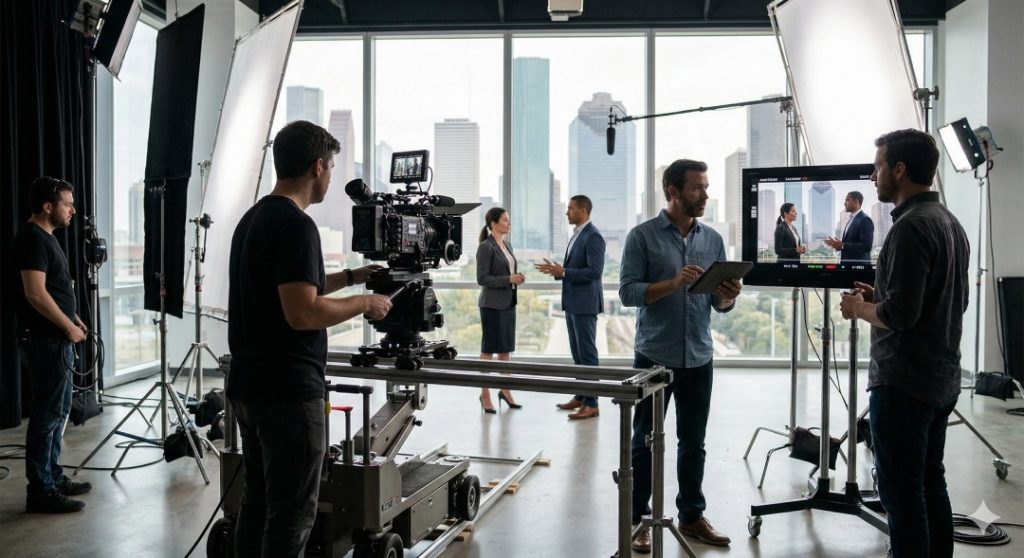
Can Production Companies Handle Animation And Motion Graphics?
The Growing Demand for Animated Content
In the digital age, content is king—but animated content often feels like the crown jewel. Videos, social media posts, advertisements, and even educational material increasingly rely on animation and motion graphics to capture attention. Unlike static visuals, animation breathes life into stories, making messages more memorable.
Businesses and creators frequently ask if production companies can handle both live-action and animated content under one roof. The answer is yes, but it takes careful planning, the right tools, and skilled teams. Animation isn’t just drawing on a screen; it’s about movement, timing, and storytelling in ways that connect emotionally with audiences.
With more brands recognizing the impact of animated content, production companies are evolving. Those who master both live-action and animation can offer clients a cohesive, polished media experience that engages viewers from start to finish.

Understanding Animation and Motion Graphics
What is Animation?
Animation transforms still images into moving sequences. It’s not just about cartoons; it includes 2D, 3D, stop-motion, and hand-drawn styles. Each type requires unique skills, from storyboarding and design to rendering and compositing.
In essence, animation allows creators to depict impossible scenarios, abstract concepts, or fantastical worlds. For example, explaining a complicated tech process using animated characters often works better than traditional video. It’s an art form that requires both creativity and technical expertise.
What are Motion Graphics?
Motion graphics combine graphic design with movement, typically without a central character or story. These visuals are often used in advertisements, explainer videos, corporate presentations, and title sequences.
Unlike animation that may involve storytelling or character development, motion graphics emphasize style, transitions, and visual appeal. Think animated charts, kinetic typography, or interactive infographics. They are highly effective in grabbing attention and conveying information quickly, making them essential for marketing and branding strategies.
The Role of Production Companies in Media Creation
Traditional Production vs. Modern Media Needs
Traditionally, production companies focused on filming, editing, and post-production. They specialized in live-action content—movies, commercials, or corporate videos. But today, audiences expect more visually engaging content.
Modern media requires a blend of live-action and digital elements. Motion graphics and animation are no longer optional; they’re expected in marketing campaigns, educational content, and entertainment. Production companies must adapt by investing in talent, software, and workflows that support both traditional and digital media.
In-House vs. Outsourced Animation Capabilities
Some companies maintain full-time, in-house animation teams. This allows tight control over quality and project timelines. Others outsource to freelancers or specialized studios. Outsourcing provides flexibility for complex projects that demand unique skills, like 3D modeling or VR animations.
The right approach depends on the company’s goals, budget, and project scope. A hybrid model—combining in-house expertise with external specialists—often delivers the best results, providing quality without overwhelming resources.
Can Production Companies Handle Both?
Case Study: Nightwolf Productions
Nightwolf Productions is a prime example of a modern production company that seamlessly handles both live-action content and animation. Their team integrates motion graphics into commercials, educational videos, and online campaigns, ensuring every project maintains a cohesive look and feel.
By managing live-action shoots and animation under one roof, Nightwolf Productions eliminates the miscommunication and delays that often happen when multiple vendors are involved. This integrated approach helps clients save time and maintain consistency across all content.
Tools and Technologies Used
Software and Hardware Requirements
Animation and motion graphics demand high-performance tools. Commonly used software includes:
- Adobe After Effects for motion graphics
- Cinema 4D and Blender for 3D animation
- Toon Boom Harmony for character animation
- Adobe Illustrator and Photoshop for assets
Hardware matters too. Powerful computers with fast processors, high RAM, and large storage drives help animators render videos efficiently. Large, color-accurate monitors and graphic tablets ensure precise design work.
Collaboration Platforms and Workflow
Animation is rarely a solo endeavor. Teams rely on collaboration tools like Frame.io, Trello, and Slack to track progress, share feedback, and maintain deadlines. A smooth workflow ensures storyboards, drafts, and revisions move seamlessly from concept to final product. Proper project management is key; without it, even a talented team can struggle to deliver quality work on time.
Challenges Production Companies Face in Animation
Budget Constraints
Animation is resource-intensive. Even short motion graphics can require hundreds of hours of work. High-quality animation involves designing assets, rigging, animating, and rendering—all of which cost time and money. Companies must balance the budget between live-action shoots and animation to maintain profitability without sacrificing quality.
Talent and Skill Gaps
Finding the right animators is not easy. Skilled professionals are in high demand, and the learning curve for 3D animation or complex motion graphics can be steep. Production companies must invest in recruitment, training, or strategic partnerships to fill these gaps.
Time Management for Complex Projects
Animation isn’t fast. A single 60-second video might take several weeks of meticulous work. Production companies need to schedule carefully, often juggling multiple projects simultaneously. Delays can cascade, affecting client deadlines, so workflow efficiency and project planning are critical.
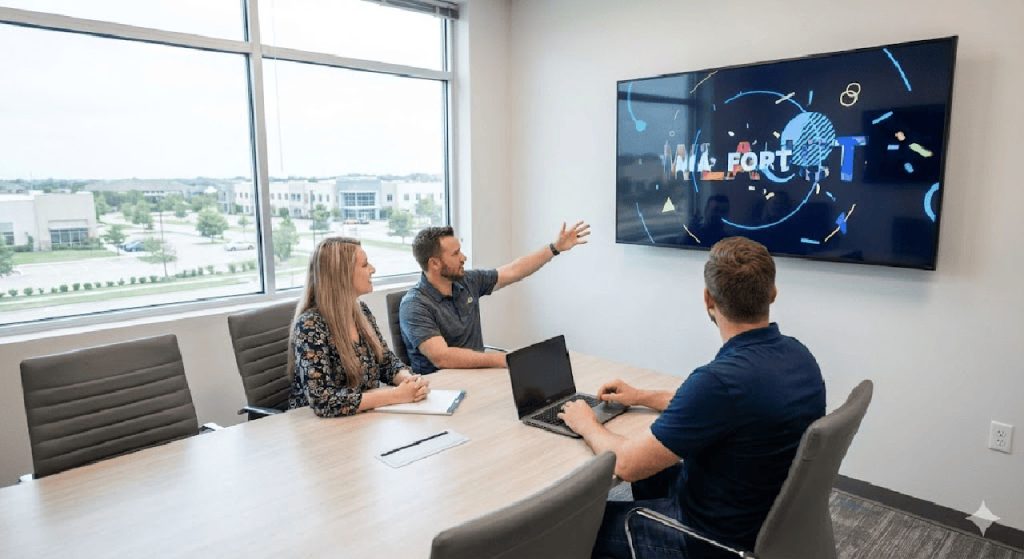
Strategies to Overcome Animation Challenges
Hiring Specialized Teams
Bringing on dedicated animation teams, either in-house or freelance, ensures specialized expertise is available when needed. It allows production companies to handle complex projects without overloading their core staff.
Training and Upskilling Existing Staff
Investing in staff development pays off. Production teams can learn animation techniques through online courses, workshops, and mentoring. Upskilling improves versatility and reduces dependence on external talent.
Leveraging Freelancers and Contractors
Freelancers offer flexibility for specialized tasks. Companies can scale their team for specific projects, control costs, and access unique skills without long-term commitments.
Benefits of Working with Production Companies for Animation
Cohesive Storytelling Across Media
Production companies that handle animation and live-action provide a unified vision. The result is consistent storytelling that engages audiences visually and emotionally across platforms.
Streamlined Production Process
Managing animation in-house reduces delays caused by communication gaps between multiple vendors. Storyboards, drafts, and edits remain centralized, speeding up the production timeline.
Access to Industry Expertise
Experienced production companies have insights into trends, audience behavior, and emerging technologies. They can guide clients to create visually impactful content that resonates and converts.
The Future of Production Companies and Animation
Emerging Trends in Animation and Motion Graphics
The animation world continues evolving. 3D animation, motion capture, kinetic typography, and mixed-media visuals are gaining popularity. Production companies adopting these trends stay competitive and attract high-profile clients.
Integration with Virtual Reality and AI Tools
Virtual reality, augmented reality, and AI-driven animation tools are reshaping workflows. AI can speed up repetitive tasks like in-betweening or background creation, allowing artists to focus on creativity. Companies embracing these technologies can deliver immersive, next-level content that captivates audiences.
Nightwolf Productions Serving the Spring Branch West Community and Beyond in Houston
Nightwolf Productions is dedicated to serving the diverse needs of the local community of Houston, including individuals residing in neighborhoods like Spring Branch West. With its convenient location near landmarks such as the Japanese Language Supplementary School of Houston and major intersections like Barryknoll Ln. & Queensbury Ln. (coordinates: 29.77759385923017, -95.58381829302046), we offer corporate video production company Houston services.
Get Corporate Video Production Company Services at Spring Branch West Now
Navigate from Spring Branch West to Nightwolf Productions Now
Production Companies Can Handle Animation
Production companies are no longer limited to filming live-action content. With proper tools, skilled talent, and effective workflows, they can successfully create animation and motion graphics. Nightwolf Productions demonstrates how a modern production company can combine live-action, animation, and motion graphics to deliver polished, engaging content.
For businesses seeking cohesive, professional media solutions, partnering with a production company that manages both animation and live-action can save time, reduce costs, and guarantee consistent quality. Animation isn’t just an extra—it’s a storytelling tool that enhances engagement and leaves a lasting impression.
FAQs
1. Can a small production company handle animation?
Yes. Small companies can produce animation projects, especially with freelancers or specialized software, but project scope may be limited.
2. What is the difference between animation and motion graphics?
Animation tells stories with characters or scenes. Motion graphics focus on animated design elements like text, icons, and graphics.
3. Do production companies offer 3D animation?
Many modern production companies handle 3D animation if they have the right tools and skilled staff.
4. Is it more expensive to hire a production company for animation?
Costs vary, but using a single company for both live-action and animation is often more cost-effective than hiring separate teams.
5. How can I know if a production company is right for my animated project?
Review their portfolio, ask about previous animation projects, and evaluate their workflow and communication processes.

Bring your vision to life with Nightwolf Productions! Contact us today for a personalized consultation and let’s create something extraordinary together.

Related News