What Equipment Do Film Production Companies Use?
Film production is a thrilling world where imagination meets technology. But have you ever wondered what gear makes movie magic possible? Behind every blockbuster or viral commercial, there’s a toolkit of professional equipment that brings visions to life. In Houston, companies like Nightwolf Productions rely on a carefully curated mix of cameras, lenses, lighting, audio gear, and more to ensure every frame looks and sounds perfect. Let’s dive into the essentials that film production companies use to craft cinematic excellence.

Introduction to Film Production Equipment
Film production equipment covers everything that helps filmmakers capture, shape, and refine their stories. It’s not just cameras and lights; it includes audio devices, grip gear, drones, post-production tools, and storage solutions. Each piece of equipment plays a role in making the final film engaging, professional, and polished.
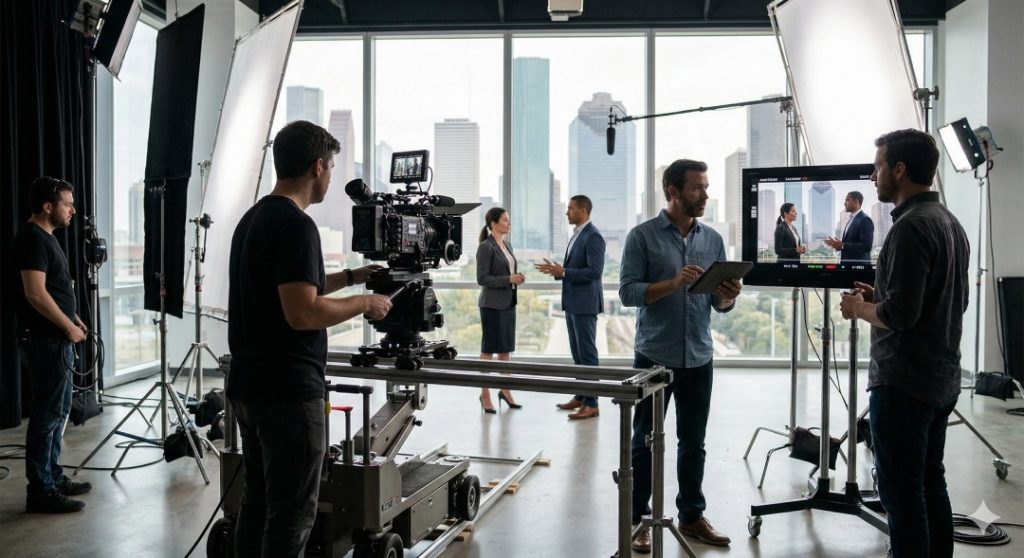
When you walk onto a film set, the setup can feel overwhelming, tripods everywhere, lights dangling from rigs, and cables snaking across the floor. But each tool has a purpose. Knowing the equipment helps you appreciate the complexity and craftsmanship that goes into even a short film or commercial.
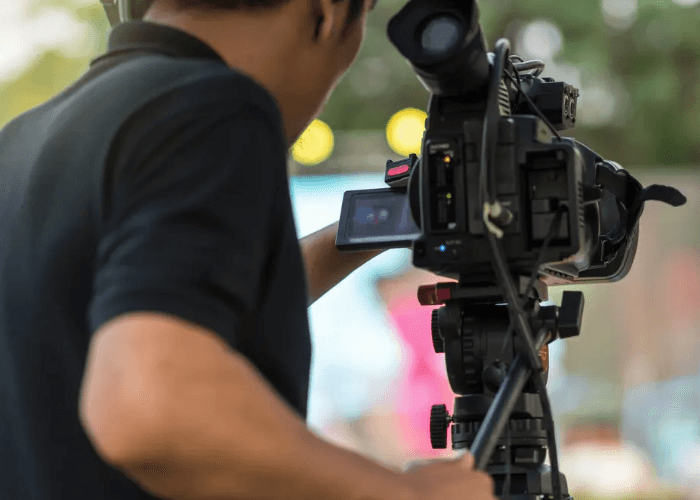
Cameras: The Heart of Any Film Production
A film is only as good as its images, which makes cameras the centerpiece of every production. Companies invest in different types of cameras based on the story they’re telling, the budget, and the desired cinematic quality.
Digital Cinema Cameras
Digital cinema cameras are designed for high-resolution storytelling. Brands like ARRI, RED, and Blackmagic are popular among professional productions. They offer unmatched color depth, dynamic range, and frame rates, allowing filmmakers to capture visually stunning footage.
DSLRs and Mirrorless Cameras
For smaller productions or tight budgets, DSLR and mirrorless cameras are excellent choices. They’re compact, versatile, and can shoot in 4K. While they might lack some high-end features of cinema cameras, they still deliver professional-quality results when paired with the right lenses.
Specialty Cameras (Action & 360° Cameras)
Action cameras like GoPros capture extreme sports or tight spaces, while 360° cameras offer immersive footage for virtual reality experiences. These cameras are invaluable for unique perspectives or innovative storytelling techniques.
Lenses and Optics: Shaping the Vision
Cameras capture the image, but lenses control the story’s visual style. The lens you choose affects depth of field, perspective, and focus, making them as crucial as the camera itself.
Prime Lenses
Prime lenses have a fixed focal length, offering sharp images and superior low-light performance. They’re ideal for cinematic shots that require shallow depth of field and beautiful background blur.
Zoom Lenses
Zoom lenses provide flexibility by allowing the focal length to change during a shot. They’re perfect for fast-paced shoots where swapping lenses isn’t practical, such as news-style documentaries or run-and-gun productions.
Specialty Lenses (Macro, Tilt-Shift, Fisheye)
Specialty lenses open creative possibilities. Macro lenses capture extreme close-ups, tilt-shift lenses create miniature effects, and fisheye lenses deliver dramatic wide-angle perspectives.
Lighting Equipment: Crafting the Perfect Mood
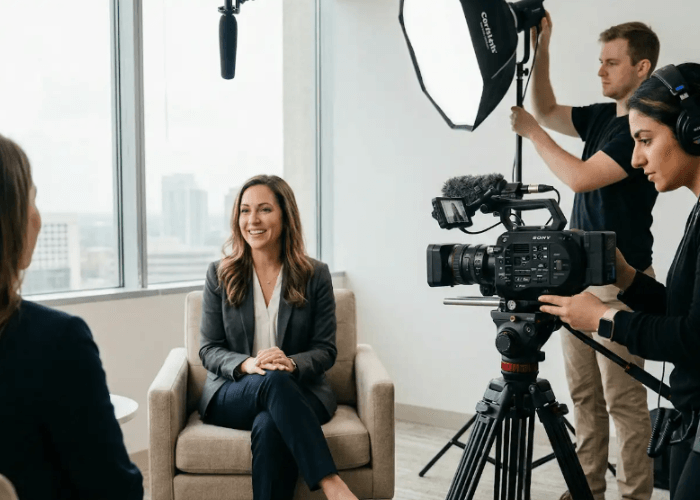
Lighting can make or break a scene. It sets the mood, highlights subjects, and creates depth. Film production companies rely on a mix of lights and modifiers to control every nuance of illumination.
Key Lights, Fill Lights, and Backlights
The basic three-point lighting system, key, fill, and backlight, creates a balanced and professional look. The key light is the primary source, the fill light softens shadows, and the backlight separates subjects from the background.
LED Panels and Fresnel Lights
LED panels are lightweight, energy-efficient, and often color-adjustable, making them versatile for both studio and on-location shoots. Fresnel lights, with their distinctive lenses, offer focused beams ideal for dramatic effects.
Light Modifiers (Softboxes, Diffusers, Reflectors)
Modifiers shape the light, soften shadows, and reduce glare. Softboxes diffuse harsh light, reflectors bounce light into shadowed areas, and diffusers create a more natural, even glow.
Audio Equipment: Capturing Crystal-Clear Sound
Great visuals need great sound. Poor audio can ruin an otherwise perfect shot, which is why production companies invest in professional microphones, recorders, and sound accessories.
Microphones (Shotgun, Lavalier, Handheld)
Shotgun mics capture focused sound from a distance, ideal for dialogue on set. Lavalier microphones clip onto actors, providing clear audio in dynamic environments. Handheld mics are used for interviews or live coverage.
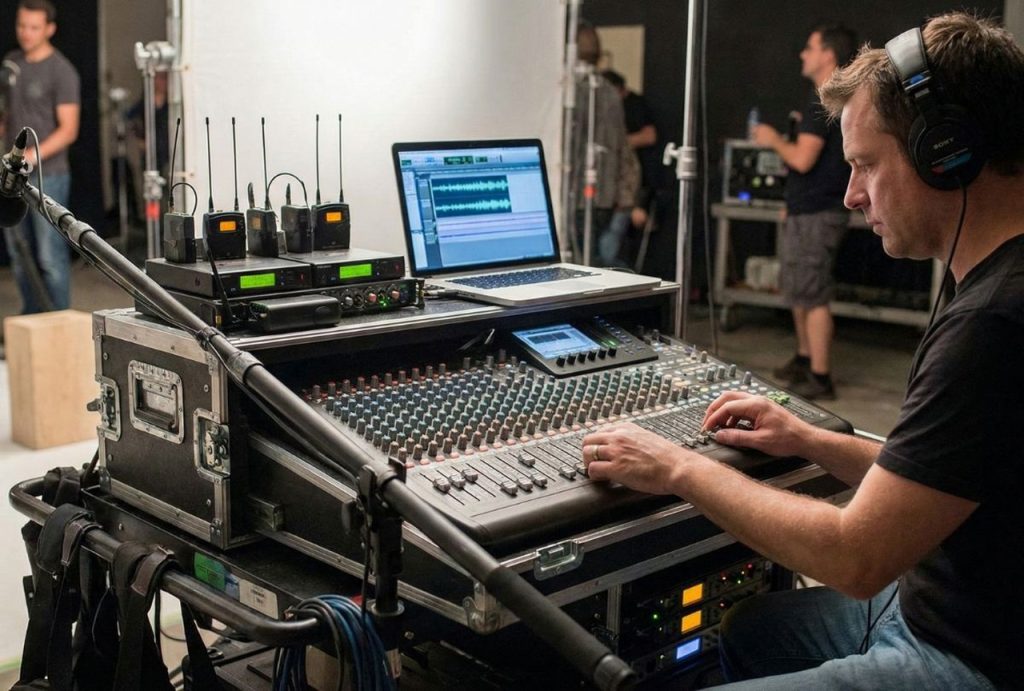
Audio Recorders and Mixers
Portable recorders and audio mixers allow sound engineers to monitor and adjust audio levels in real time. This ensures consistent, high-quality sound that syncs perfectly with the footage.
Boom Poles and Wind Protection
Boom poles keep microphones close to subjects without entering the frame. Windscreens or “dead cats” prevent unwanted wind noise, a lifesaver for outdoor shoots.
Grip Equipment: Supporting Every Shot
Grip gear provides the physical support needed to execute complex shots. Without it, even the best camera and lens can’t produce stable, professional footage.
Tripods and Monopods
Tripods provide steady shots, while monopods offer mobility with some stability. Both are essential for interviews, static shots, and long takes.
Dollies and Sliders
Dollies allow smooth, cinematic camera movement across a set, while sliders provide controlled linear motion for dynamic scenes without complex rigging.
Gimbals and Stabilizers
Handheld gimbals and stabilizers ensure fluid movement, preventing shaky footage. They’re perfect for walk-and-talk sequences or action-packed scenes.
Post-Production Tools: Editing the Masterpiece
After filming, the raw footage transforms into a polished product through post-production. Editing, color grading, and visual effects are where creativity meets precision.
Editing Software (Adobe Premiere, Final Cut Pro)
Editing software organizes footage, trims shots, and arranges scenes. Tools like Adobe Premiere Pro and Final Cut Pro give editors full control over pacing, transitions, and narrative structure.
Color Grading Tools and Software
Color grading enhances mood, corrects exposure, and ensures visual consistency across shots. Programs like DaVinci Resolve allow professional-level adjustments that can completely transform a film’s look.
Visual Effects (VFX) Software
VFX software adds elements that aren’t possible on set, such as explosions, digital characters, or complex backgrounds. It’s essential for commercials, sci-fi, and fantasy productions.
Specialty Equipment for Unique Shots
Sometimes productions need equipment beyond the basics to capture extraordinary visuals.
Drones for Aerial Footage
Drones give filmmakers bird’s-eye views, sweeping landscapes, or dramatic cityscapes that would otherwise require helicopters or cranes.
Underwater Cameras
Underwater housings and cameras allow safe shooting beneath the surface, opening the door to marine life documentaries or cinematic pool sequences.
Motion Capture and Green Screen Tools
Motion capture tracks actors’ movements to animate digital characters, while green screens enable filmmakers to place subjects in entirely different environments.
Storage and Backup: Protecting the Footage
Footage is precious, and losing it can be catastrophic. Storage solutions ensure everything is backed up and secure.
External Hard Drives and SSDs
High-capacity drives store raw footage locally, providing fast access and redundancy during production. SSDs offer speed advantages for real-time editing.
Cloud Storage Solutions
Cloud storage protects against data loss, allows remote collaboration, and makes sharing large files easier. Many productions use a combination of local and cloud backup strategies.
Nightwolf Productions: The Equipment We Rely On in Spring Branch West, Houston
At Nightwolf Productions, we combine industry-standard tools with specialized gear to deliver top-quality productions in Houston. Our kit includes high-end digital cinema cameras, versatile lenses, professional lighting setups, and audio systems that capture crystal-clear dialogue.
Grip equipment, drones, and post-production software allow us to execute complex shots and finish projects efficiently. Choosing the right equipment for each project is key to delivering results that impress clients and audiences alike.
Choosing the Right Gear for Your Production
Selecting equipment isn’t just about buying the most expensive tools. It’s about matching gear to your story, budget, and crew expertise.
Budget Considerations
High-end cameras and lenses are tempting, but not every project requires them. Matching gear to your budget ensures you get professional results without overspending.
Project Type and Scale
Documentaries, commercials, and feature films all have different equipment needs. A small narrative film may only need a DSLR and a few lights, while a large-scale production requires a full arsenal of cameras, lighting, and grip equipment.
Crew Experience and Preferences
Experienced crews know their tools inside out. Using familiar equipment minimizes mistakes, speeds up production, and allows creative focus.
Nightwolf Productions Serving the Spring Branch West Community and Beyond in Houston
Nightwolf Productions is dedicated to serving the diverse needs of the local community of Houston, including individuals residing in neighborhoods like Spring Branch West. With its convenient location near landmarks such as the The Well and major intersections like Brittmoore Rd & Memorial Dr (coordinates: 29.773098159852037, -95.5682763), we offer film production Houston services.
Get Film Production Company Services at Spring Branch West Now
Navigate from Spring Branch West to Nightwolf Productions Now
Mastering the Tools of Film Production
Film production combines art and technology, and the right equipment is essential for crafting professional-quality films. Cameras, lenses, lighting, audio gear, grip tools, post-production software, and storage solutions all play vital roles.
In Spring Branch West, companies like Nightwolf Productions demonstrate how careful selection and expert handling of equipment lead to visually stunning and sonically perfect productions. Whether you’re filming a short commercial or a full-length feature, understanding the tools of the trade ensures your story comes to life exactly as you envisioned.
FAQs
1. What is the most essential piece of equipment for film production?
The camera is central, but lighting and sound gear are equally important. A great image without good sound or lighting can fall flat.
2. Can small productions use professional gear?
Yes! DSLR or mirrorless cameras, portable lights, and affordable audio equipment allow small productions to achieve professional results without massive budgets.
3. Do I need a crew to operate all this equipment?
Some gear can be handled solo, but professional productions benefit from specialized roles like camera operators, gaffers, and sound engineers.
4. How important is post-production software?
Extremely important. Editing, color grading, and visual effects turn raw footage into a polished final product.
5. Can drones replace traditional camera setups?
Drones offer unique aerial perspectives but don’t replace the need for ground-based cameras and traditional cinematography techniques.

Bring your vision to life with Nightwolf Productions! Contact us today for a personalized consultation and let’s create something extraordinary together.

Related News